
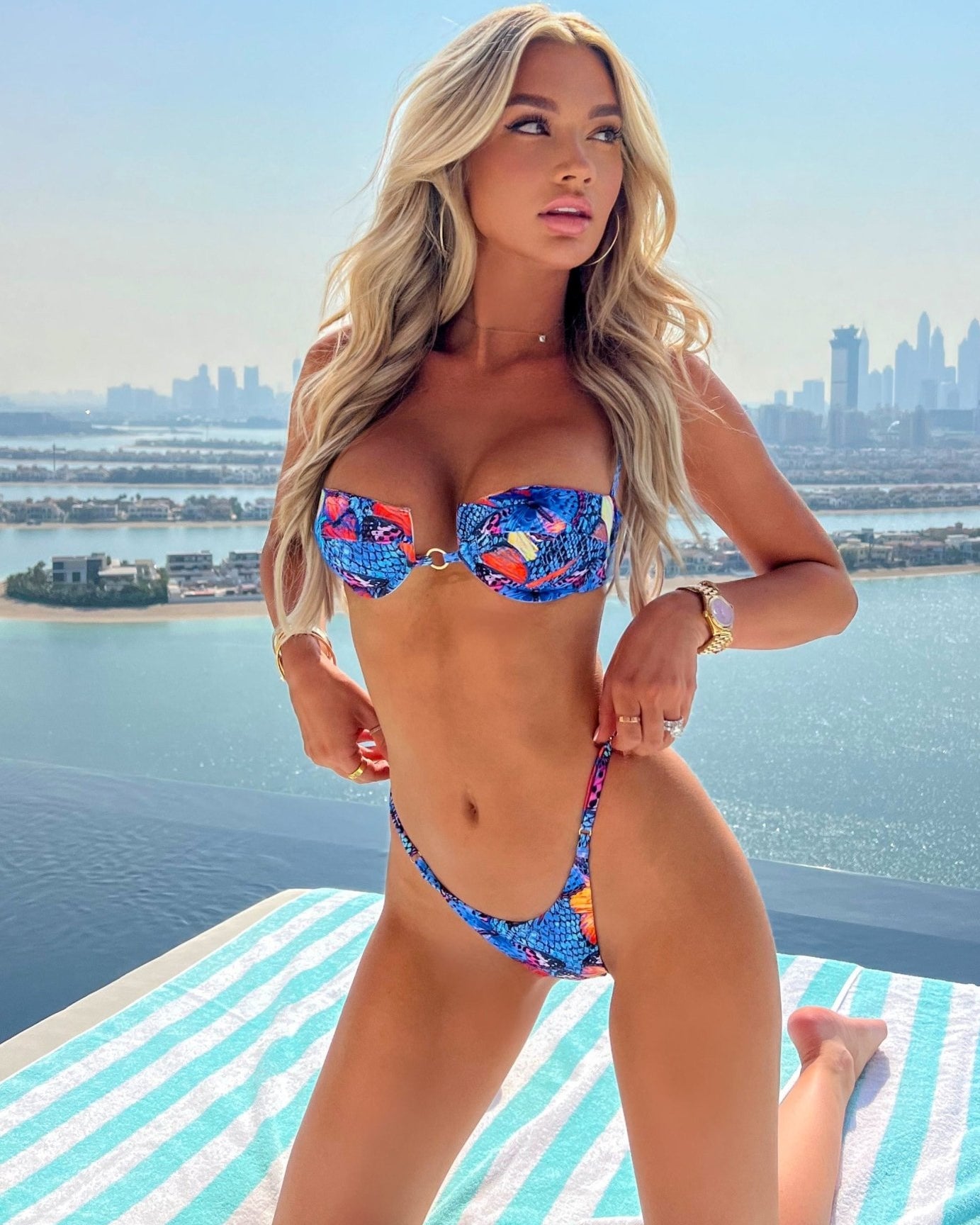
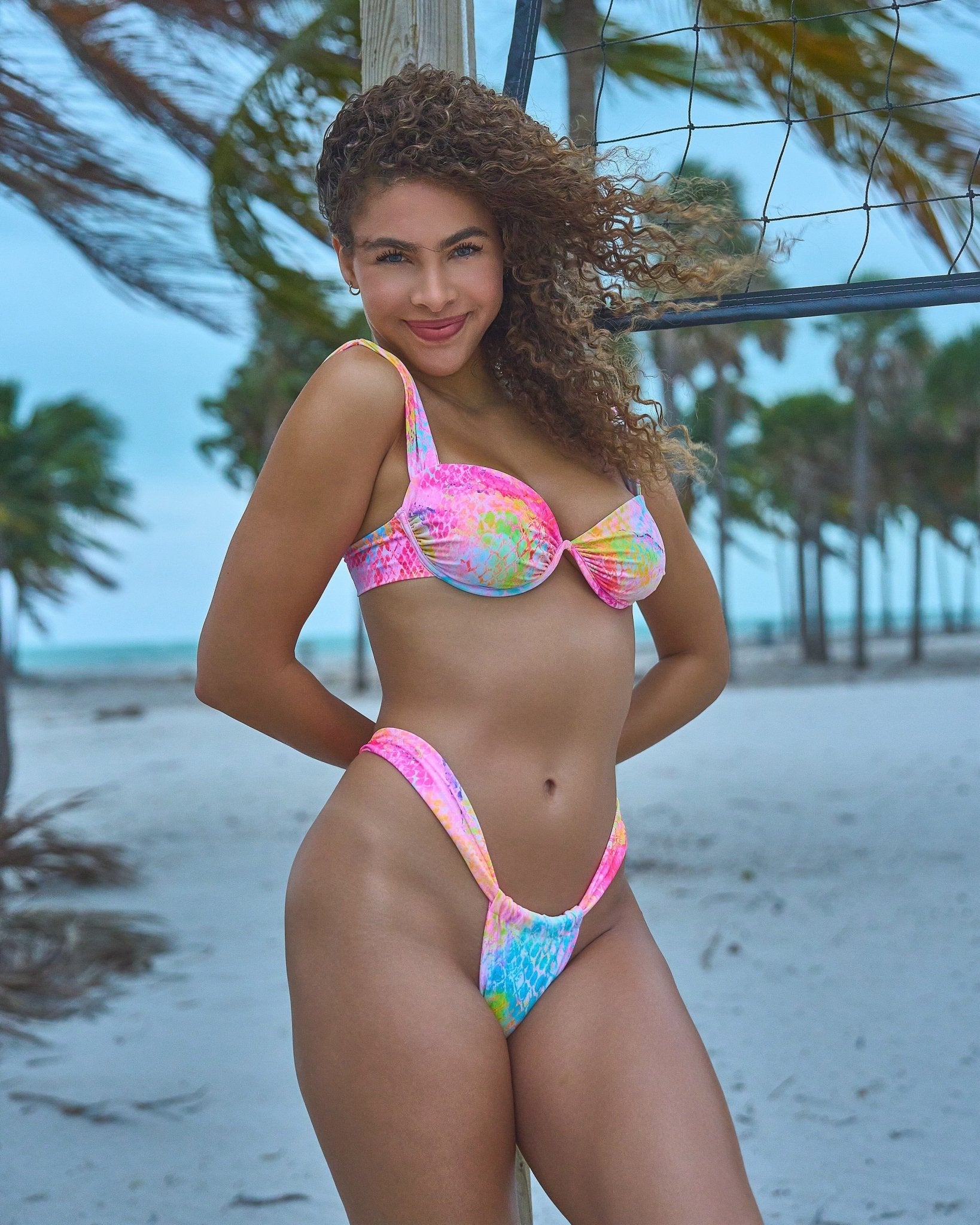
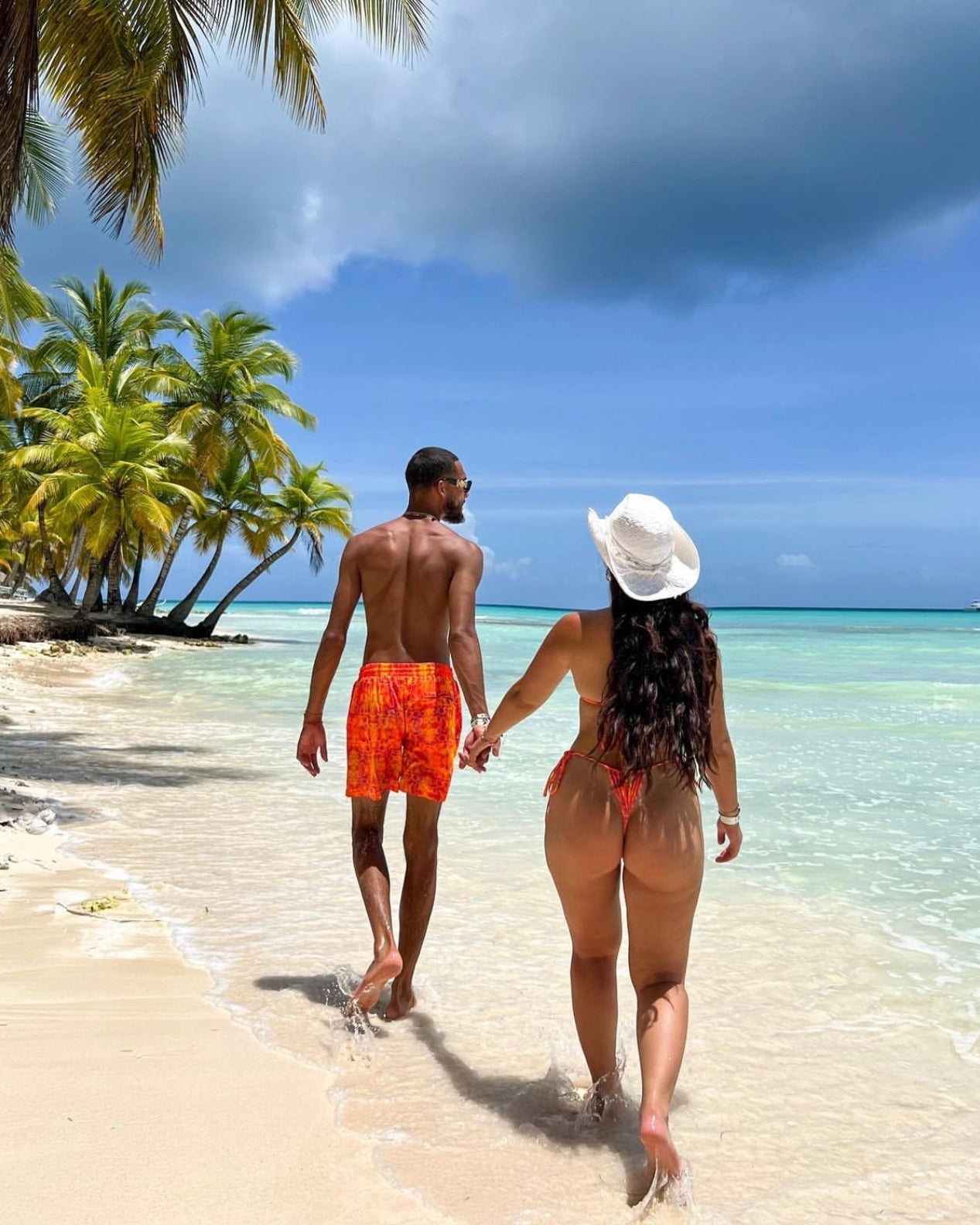


Understanding the Art of Swimwear Coordination
The mastery of how to mix and match swimwear separates transforms ordinary beach attire into sophisticated aquatic ensembles. This sartorial approach transcends traditional one-piece limitations, offering infinite possibilities for personal expression through chromatic harmony and silhouette variation.
Contemporary swimwear coordination involves understanding color theory, fabric compatibility, and body proportionality. Each separate piece functions as an individual canvas while contributing to a cohesive aesthetic narrative. The strategic pairing of tops and bottoms creates visual interest through calculated contrasts or harmonious tonal progressions.
Modern beachgoers embrace this versatile approach for its practical benefits. Multiple separates exponentially increase outfit combinations from a minimal wardrobe investment. A collection of five tops and five bottoms theoretically yields twenty-five distinct ensembles, maximizing both variety and value.
The Psychology of Mix-and-Match Styling
Swimwear coordination psychology extends beyond mere aesthetics into confidence cultivation and self-expression. When individuals curate personalized combinations, they exercise creative autonomy over their aquatic presentation. This process fosters body positivity through deliberate choice rather than predetermined styling constraints.
The mix-and-match methodology empowers wearers to highlight preferred features while diplomatically concealing areas of concern. Strategic color placement, pattern juxtaposition, and silhouette manipulation become tools for confidence enhancement rather than camouflage techniques.
Essential Elements for Successful Coordination
Successful swimwear mixing requires foundational understanding of several key principles. Color temperature consistency ensures visual coherence between separates. Warm undertones pair harmoniously with complementary warm hues, while cool-toned pieces maintain sophistication when matched appropriately.
Pattern scale considerations prevent visual chaos when combining printed elements. Large-scale botanicals pair elegantly with micro-patterns or solid coordinating colors. Geometric designs require careful calibration to avoid competing visual elements that fragment the overall silhouette.
Fabric weight and texture compatibility ensures both aesthetic and functional success. Similar fabrications maintain consistent drape and support characteristics, while contrasting textures can create intentional focal points when executed skillfully.
Color Theory Mastery for Swimwear Combinations
Chromatic sophistication elevates basic swimwear coordination into artful aquatic styling. Understanding color relationships enables confident experimentation while maintaining visual refinement across diverse combinations.
Monochromatic Elegance
Monochromatic schemes utilize varying saturations and tonal values within a single color family. Ocean blues ranging from powder to navy create seamless transitions while maintaining tonal consistency. This approach offers sophistication through restraint, allowing silhouette and texture variations to provide visual interest.
Gradient progressions from light to dark create elongating effects particularly flattering for diverse body types. Deeper tones positioned strategically can define the waistline, while lighter hues highlight preferred features through chromatic emphasis.
"True style emerges when color becomes an extension of personality rather than a decorative afterthought. The most memorable swimwear combinations reflect the wearer's authentic aesthetic voice through thoughtful chromatic choices."
Complementary Color Dynamics
Complementary color pairings create dynamic visual tension through opposite-spectrum combinations. Coral and turquoise exemplify this principle, generating vibrant contrast while maintaining tropical sophistication. These high-impact combinations require confident execution but reward bold stylists with memorable aquatic presentations.
Temperature contrasts between warm and cool tones energize conventional combinations. Sunset oranges paired with deep teals capture both warmth and freshness, reflecting the natural palette of tropical environments.
Analogous Harmony
Analogous color schemes utilize adjacent hues on the chromatic spectrum for gentle, flowing combinations. Purple transitioning through lavender to soft pink creates romantic progressions perfect for sunset beach sessions. These harmonious pairings offer sophistication without dramatic contrast.
Natural inspiration guides successful analogous combinations. Sunset palettes, ocean gradients, and tropical foliage provide tested color relationships that translate beautifully to swimwear coordination.
Pattern Mixing Techniques and Applications
Pattern coordination requires delicate balance between visual interest and aesthetic coherence. Successful combinations demonstrate restraint, confidence, and understanding of scale relationships.
Scale Variation Strategies
Contrasting pattern scales prevent visual competition between swimwear separates. Large-scale tropical prints pair effectively with fine stripes or small geometric patterns. The dominant pattern establishes visual hierarchy while the secondary pattern provides textural interest without overwhelming the composition.
Proportional relationships between patterns mirror successful interior design principles. The 60-30-10 rule applies effectively to swimwear: dominant pattern occupies the largest visual space, secondary pattern provides supporting interest, and accent colors complete the composition through minimal application.
Pattern and Solid Coordination
Strategic solid placements allow patterned pieces to command attention without visual chaos. Vibrant florals paired with coordinating solid bottoms create balanced compositions that celebrate print artistry while maintaining sophistication.
Solid separates in pattern accent colors establish chromatic connections between pieces. When botanical prints feature coral blooms, solid coral bottoms create intentional coordination that appears effortlessly curated rather than accidentally matched.
| Pattern Type | Best Paired With | Styling Effect |
|---|---|---|
| Large Florals | Solid colors, micro-stripes | Romantic, feminine |
| Geometric Prints | Coordinating solids | Modern, structured |
| Animal Prints | Neutral solids, small patterns | Bold, confident |
| Tropical Motifs | Ocean-toned solids | Vacation-ready, playful |
Silhouette Coordination and Body Enhancement
Strategic silhouette mixing optimizes both comfort and aesthetic appeal across diverse body types. Understanding how different cuts interact creates opportunities for customized flattery through deliberate coordination.
High-Waisted Bottom Integration
High-waisted bottoms offer versatility for multiple top styles while providing coverage and waist definition. These retro-inspired pieces pair beautifully with cropped bikini tops, creating proportional balance that elongates the legs while maintaining modest coverage.
Bandeau tops complement high-waisted bottoms by emphasizing the elevated waistline without competing visual elements. This combination creates clean lines that flatter diverse body types while maintaining contemporary sophistication.
Triangle Top Versatility
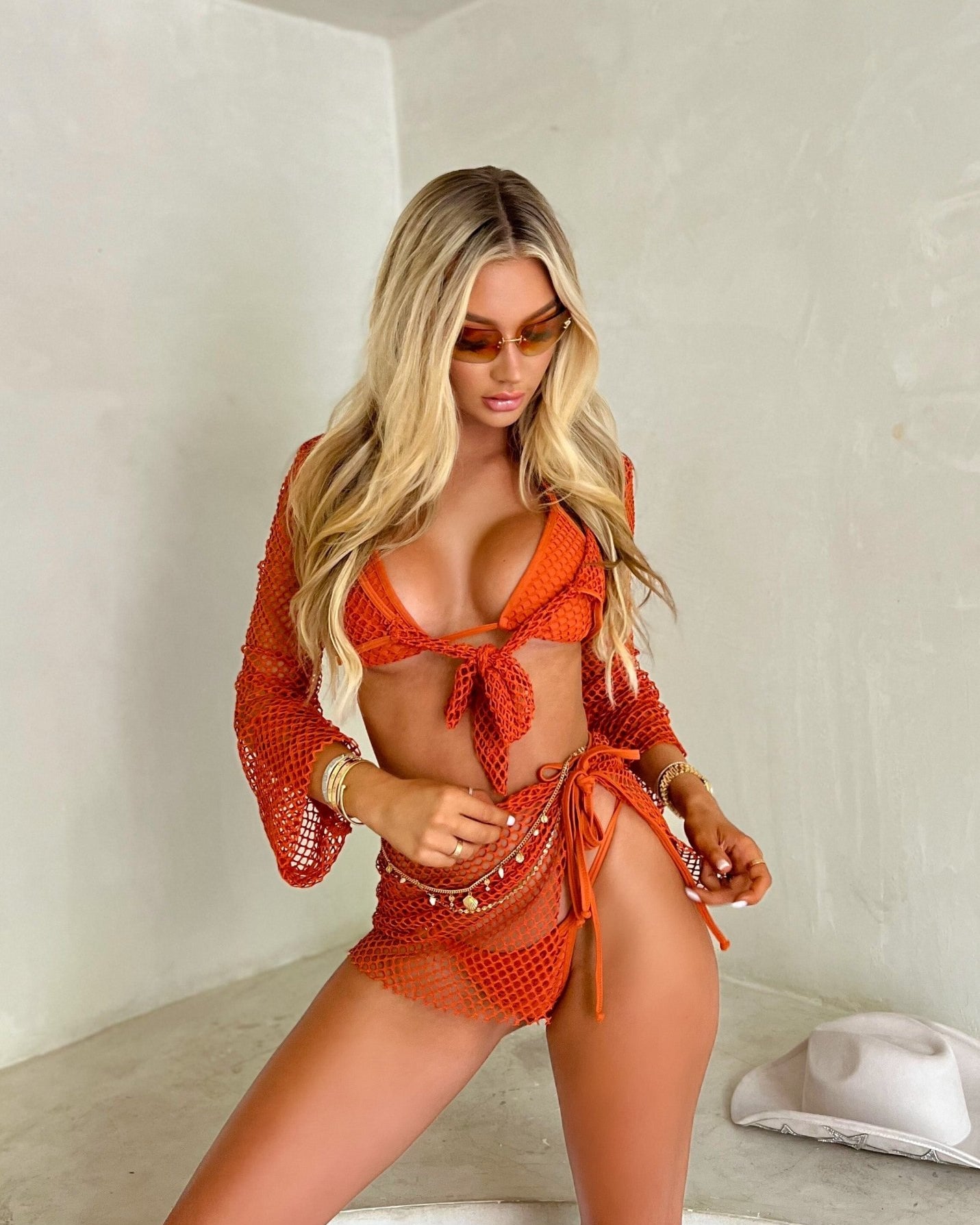
Triangle bikini tops offer adjustable fit and universal flattery when paired strategically with various bottom styles. The minimalist silhouette coordinates effortlessly with bold-patterned bottoms, allowing print artistry to take center stage.
Tie-side bottoms mirror triangle top adjustability, creating cohesive ensembles that prioritize both fit and style flexibility. These combinations work particularly well for active beachgoers who value both aesthetic appeal and functional comfort.
One-Shoulder and Asymmetrical Elements
Contemporary asymmetrical designs introduce modern sophistication to classic swimwear coordination. One-shoulder tops paired with classic bikini bottoms create interesting visual tension while maintaining wearable sophistication.
These directional pieces require careful coordination to avoid overwhelming the overall composition. Solid colors or subtle patterns work best for asymmetrical tops, allowing the unique silhouette to command attention without chromatic distraction.
Fabric Considerations for Successful Mixing
Textile compatibility ensures both aesthetic coherence and functional performance across mixed separates. Understanding fabric characteristics prevents coordination failures while maximizing comfort and durability.
Quick-dry fabrics maintain consistent performance characteristics essential for active aquatic pursuits. When mixing separates, similar fabrications ensure comparable stretch, recovery, and chlorine resistance for long-term satisfaction.
Texture variations within compatible fabric families create visual interest without compromising function. Smooth nylon-spandex blends coordinate beautifully with textured versions of similar compositions, providing subtle contrast while maintaining performance standards.
Sustainable Fabric Integration
Eco-conscious swimwear often features recycled materials that require specific care considerations. When mixing sustainable pieces with traditional fabrications, understanding care requirements ensures longevity for entire coordinated collections.
Recycled polyester blends offer excellent color retention and pattern clarity, making them ideal foundation pieces for mix-and-match wardrobes. These sustainable options coordinate seamlessly with traditional swimwear fabrics while supporting environmental responsibility.
Seasonal Coordination Strategies
Seasonal considerations influence both color selection and styling approaches for optimal swimwear coordination. Understanding how environmental factors affect aesthetic choices ensures appropriate seasonal sophistication.
Summer Vibrancy
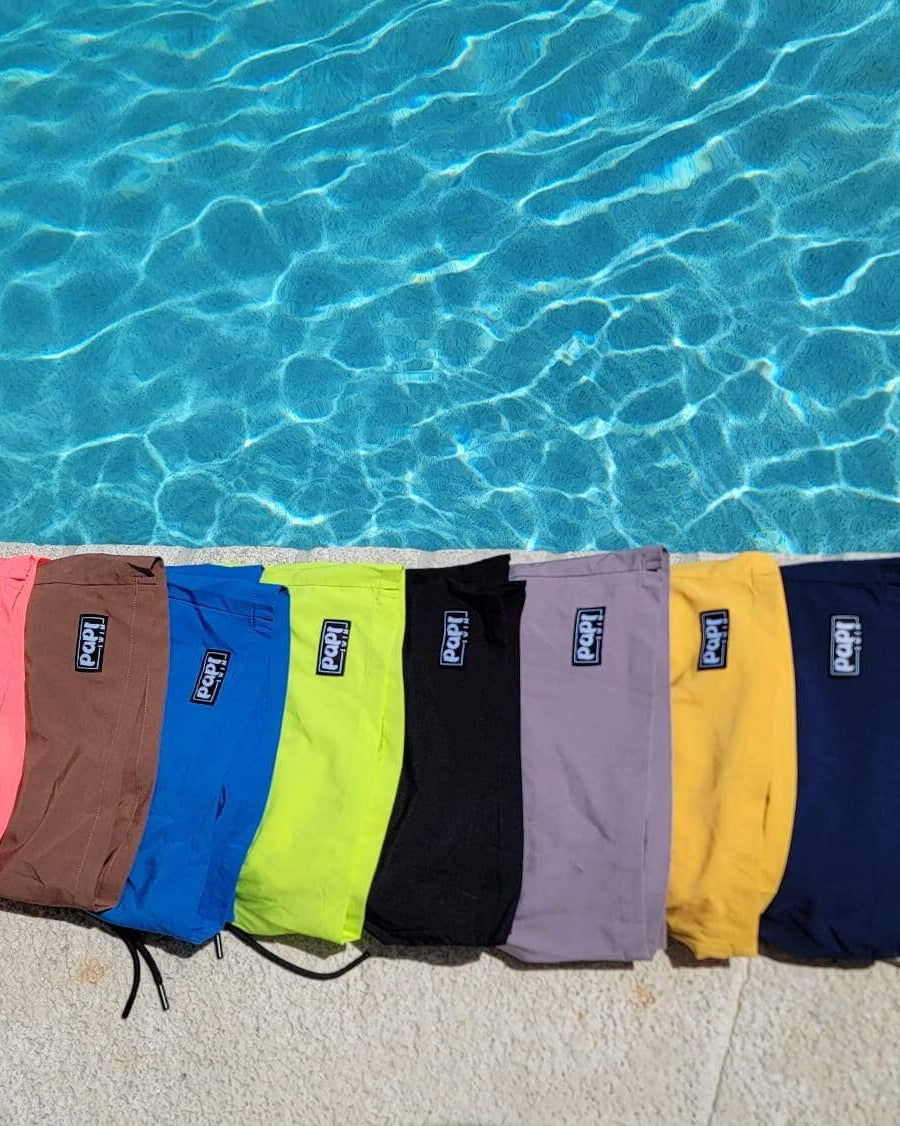
Peak summer months favor bold color combinations and energetic pattern mixing that complement intense sunlight and vibrant beach environments. Tropical brights, neon accents, and high-contrast combinations celebrate seasonal exuberance.
Lighter fabrications and minimal coverage suit hot weather requirements while bright colors photograph beautifully in strong sunlight. These seasonal considerations guide both aesthetic and practical coordination decisions.
Transitional Elegance
Spring and fall beach visits benefit from sophisticated color palettes that complement softer lighting conditions. Muted tones, earth-inspired hues, and subtle pattern combinations create appropriate seasonal refinement.
Longer coverage options coordinate well with transitional weather while maintaining swimming functionality. These pieces often feature richer colors that photograph beautifully in golden hour lighting conditions.
Practical Implementation and Wardrobe Building
Strategic wardrobe development maximizes coordination possibilities while maintaining budget consciousness. Understanding which pieces offer maximum versatility guides smart acquisition decisions.
- Invest in quality neutral bases that coordinate with multiple accent pieces
- Choose prints with multiple color options for maximum mixing potential
- Select silhouettes that flatter your body type across different combinations
- Consider lifestyle needs when choosing between coverage levels and support features
- Prioritize quality construction for pieces that will see frequent mixing
Essential Coordination Questions
Before finalizing any swimwear combination, consider these practical coordination questions that ensure both aesthetic and functional success:
Does this combination flatter my preferred features while providing appropriate coverage? Successful coordination enhances confidence through strategic highlighting and diplomatic concealment.
Will these fabrics perform consistently throughout planned aquatic activities? Functional compatibility prevents coordination failures during active use.
Do the colors photograph well together in typical beach lighting? Visual documentation increasingly influences styling decisions for social media-conscious beachgoers.
Can I easily recreate this combination for future occasions? Memorable combinations should be reproducible without excessive mental effort or extensive wardrobe searching.
Mastering swimwear coordination transforms beach styling from mundane necessity into creative expression. Through understanding color relationships, pattern scales, silhouette interactions, and practical considerations, any swimwear enthusiast can develop sophisticated mixing skills that enhance both confidence and style. The investment in quality separates and coordination knowledge pays dividends through increased wardrobe versatility, enhanced self-expression, and optimized aquatic sophistication.